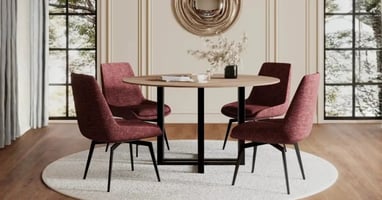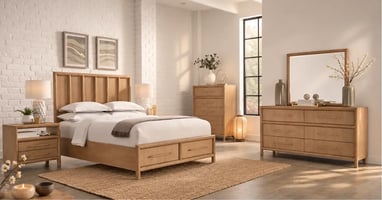
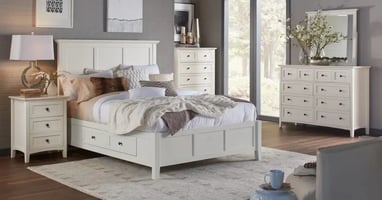
The farmhouse style has been hugely popular for years—and for good reason. It combines coziness,...
Interior Design Styles Explained: Which One Suits You?
Japandi, boho, mid-century or farmhouse? When you furnish your home, there are many directions to choose from. Here are the most important interior design styles at a glance: what defines them, which colours and materials suit them and who they are right for.
In short
The most popular interior design styles are Japandi, Japanese style with wabi-sabi, Scandinavian living, minimalism, boho, farmhouse, mid-century modern, industrial and natural living. They differ mainly in colours, materials and shapes. Which one suits you depends on whether you prefer calm and minimal, warm and cosy or bold and full of character.
The main interior design styles compared
| Style | Typical | Colours | Materials | Right for you if … |
|---|---|---|---|---|
| Japandi | clean lines, few pieces | beige, grey, brown, cream | wood, natural stone, natural fibres | you want calm and cosiness at once |
| Japanese / wabi-sabi | beauty of imperfection | soft earthy tones | wood, stone, linen, ceramics | you like natural textures |
| Scandinavian / warm minimalism | light, cosy, hygge | warm, natural tones | light wood, wool | you want clarity with warmth |
| Minimalist | few but well chosen | calm, neutral colours | solid wood, metal, natural stone | you value order and clarity |
| Boho | personal, lots of texture | warm earthy tones | wood, rattan, jute, linen | you like it relaxed and individual |
| Farmhouse | cosy, handcrafted | light, natural colours | wood with visible grain | you are looking for warmth and durability |
| Mid-century modern | clean lines, organic shapes | warm wood tones, accent colours | wood, metal | you love timeless design |
| Industrial | sturdy, slightly raw | dark, muted tones | wood, metal, steel | you like bold furniture |
| Natural living | calm, timeless | earthy and natural tones | wood, stone, glass | you want durable natural materials |
Japandi: calm meets cosiness
Japandi combines the simplicity of Japanese design with the cosiness of Scandinavian living. Typical features are clean lines, neutral colours and a few high-quality pieces made of wood and natural stone.
Read more: Japandi decor: calm and harmonious design
Japanese interior design and wabi-sabi
Japanese style focuses on calm, naturalness and leaving out anything unnecessary. Wabi-sabi adds the beauty of imperfection: visible textures, organic shapes and soft colours.
Read more: Japanese interior design: Wabi-Sabi brings calm and naturalness
Scandinavian living: warm minimalism
Scandinavian living stands for light, cosy rooms. Warm minimalism combines clean shapes with the cosiness of hygge: warm wood, soft textiles and gentle light.
Read more: Scandinavian living: warm minimalism as a feel-good trend
Minimalist interior design
Minimalism means a few well-chosen pieces, calm colours and clear structures. Every piece has a purpose, and durable materials keep the look current for a long time.
Read more: Minimalist interior: less is more
Boho: relaxed and personal
Boho lives from natural materials such as rattan, jute and linen, warm earthy tones and lots of texture. It looks modern with a few colours and one or two statement pieces.
Read more: Boho decor: how to create a stylish boho home
Farmhouse style: cosy and timeless
Farmhouse style combines cosiness, naturalness and timeless elegance. Typical are wooden furniture with visible grain and light, natural colours, done in a traditional or modern way.
Read more: Farmhouse furniture: how to decorate in style
Mid-century modern: design of the 50s and 60s
Mid-century modern combines clean lines with organic shapes, warm wood tones and functional furniture such as sideboards and coffee tables. It looks minimal but never cold.
Read more: Mid-Century Modern style: the guide to timeless living
Industrial: sturdy and bold
Industrial furniture combines wood with metal and steel. The style comes from converted factory buildings and mixes well with warmer styles such as Scandi or mid-century.
Read more: Industrial furniture: timeless design for modern living
Living naturally with wood, stone and soft colours
Living naturally means creating a calm, timeless home with natural materials and soft colours. Wood brings warmth, stone adds accents and glass creates lightness.
Read more: Living naturally with wood, stone and soft colours
How to find your interior design style
- Collect pictures: Save rooms you like and look for what repeats: colours, materials, shapes.
- Start with colour: Neutral tones suit Japandi, minimalism and Scandi, warm earthy tones suit boho, farmhouse and mid-century.
- Choose your main material: Light wood feels Scandinavian, dark wood with metal more industrial, natural stone elegant and calm.
- Start with one key piece: A dining table, sideboard or coffee table defines the room. Everything else can follow.
Can you combine interior design styles?
Yes. Many popular looks are mixes, such as Japandi from Japanese and Scandinavian design, or Scandi-boho. What matters is a common thread, for example similar colours or the same wood. That way the room looks cohesive rather than thrown together.
Frequently asked questions
What interior design styles are there?
Among the best known are Japandi, Japanese style with wabi-sabi, Scandinavian living, minimalism, boho, farmhouse, mid-century modern, industrial and natural living.
Which interior design style is timeless?
Mid-century modern, farmhouse, minimalism and natural living are considered especially timeless because they rely on clean shapes and durable materials such as solid wood and natural stone.
Which style suits small rooms?
Minimalism, Japandi and Scandinavian living, because light colours and few pieces make rooms look bigger. Multifunctional and glass furniture help as well.
What is the difference between Japandi and Scandinavian style?
Scandinavian living is light, cosy and a little more playful. Japandi adds Japanese simplicity: less decoration, darker wood tones and more calm.
How do I find my interior design style?
Collect pictures of rooms you like and look for recurring colours and materials. Then start with one key piece of furniture that defines the style.