The desire for a home that exudes tranquility while also possessing timeless beauty is constantly...
Japanese interior design embodies tranquility, naturalness, and a timeless aesthetic that deliberately avoids the superfluous. Natural materials, minimalist forms, and harmonious color schemes create spaces that radiate clarity while conveying a sense of comfort and security. Wabi-sabi plays a special role in this: a Japanese philosophy that emphasizes the beauty of imperfection.
But what sets Japanese interior design apart? And how can the wabi-sabi aesthetic be interpreted in a contemporary way? We’ll highlight the key features and offer practical tips for creating a harmonious design.
What characterizes the Japanese interior design style?
The Japanese interior design style is based on the interplay of minimalism, functionality, and a connection to nature. Instead of filling rooms with numerous pieces of furniture and decorative elements, the design focuses on a few, carefully selected objects. Each piece of furniture serves a purpose while also contributing to the overall effect of the room.
A key feature is the connection between the interior and nature. Wood, stone, linen, and other natural materials bring authentic textures and a pleasant feel to the design. Subtle colors, clean lines, and balanced proportions enhance the sense of calm.
Typical features of the Japanese interior design style include:
- Natural materials: Wood, stone, ceramics, and linen create a rustic, high-quality atmosphere.
- Minimalist design: Clean lines and functional furniture create a sense of visual calm.
- Subtle colors: beige, sand, cream, brown, and muted shades of gray create a harmonious foundation.
- Conscious minimalism: A few carefully selected pieces of furniture allow the materials and shapes to shine.
- Harmony with the surroundings: Light, spatial layout, and natural elements are considered part of an overall concept.
The Japanese interior design style creates a understated backdrop for high-quality furniture and enables spatial solutions that neither follow fleeting trends nor sacrifice a clear design identity.
Wabi-Sabi: The Philosophy Behind the Interior Design Style
Wabi-sabi is an important aesthetic reference point for many interpretations of Japanese design. This philosophy draws attention to the beauty of natural changes, simple things, and the unique marks that materials and objects develop over time.
In interior design, this means consciously avoiding flawless perfection and generic decor. Instead, the focus is on authenticity, tactile quality, and a balanced combination of different materials.
A wooden surface may show its grain, ceramics may have their own unique irregularities, and textiles may appear lively due to their texture. As a result, the design appears less contrived and gains character.
Wabi-Sabi should not be equated with a cluttered or unfinished interior. Rather, it involves a conscious selection in which each element makes a meaningful contribution to the atmosphere.
What does wabi-sabi mean?
The term “wabi-sabi” cannot be fully translated into a single German word. Put simply, it describes an aesthetic that views simplicity, transience, and imperfection as elements of beauty.
Wabi is often associated with simplicity, modesty, and an unassuming way of life. Sabi refers, among other things, to the beauty of aging and to the character left behind by time and change.
When applied to interior design, wabi-sabi means not judging materials solely by their flawless appearance. A lively wood grain, a matte surface, or the natural variations in a material can also be valuable from a design perspective.
For modern interior design concepts, this approach offers an alternative to generic, highly decorative interiors. The quality of a room is not determined by the quantity of its furnishings, but by the interplay of materials, light, proportion, and function.
Wabi-Sabi Interior Design: The Key Design Elements
A successful wabi-sabi interior design has a calming effect without being monotonous, and is minimalist without appearing cold. The key lies in the interplay of a few carefully selected elements. Materials, shapes, and colors should complement one another and create a harmonious overall effect.
Natural materials and authentic finishes
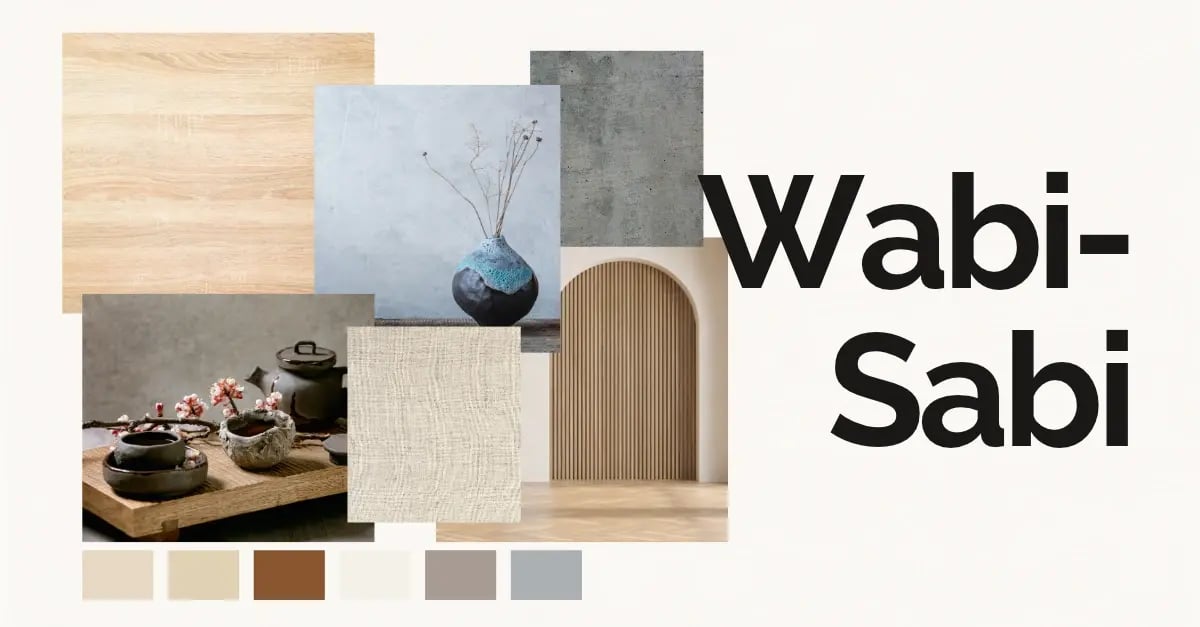
Natural materials form the foundation of a wabi-sabi interior design. Wood, stone, ceramics, linen, and wool bring different textures into the room and create a connection to nature.
Wood, in particular, stands out for its unique grain and versatile color tones. Depending on the finish, it can appear warm, understated, or striking. Stone and ceramic add mineral accents, while textile surfaces provide softness and added depth.
The key is not to view materials in isolation, but to consciously combine them. For example, a wooden surface can be complemented by a mineral-based material and a textured fabric. This creates a balanced interplay between warmth, clarity, and tactile quality.
Workmanship also plays an important role. Matte finishes, visible material textures, and high-quality craftsmanship all contribute to an authentic look. For long-lasting interior design concepts, it is advisable to consider not only the appearance but also the ease of maintenance, durability, and actual material quality.
Organic shapes and balanced proportions
While Japanese interior design is often characterized by clean lines, wabi-sabi adds an extra touch of softness to the design. Organic shapes, gentle curves, and balanced proportions soften austere interior concepts without compromising the minimalist aesthetic.
A table with rounded edges, a sculptural side table, or a generously upholstered armchair can serve as a deliberate focal point. The key is that the design complements the architecture and the rest of the furnishings.
When choosing furniture, in particular, it’s worth paying attention to the balance between volume, function, and open space. A single piece of furniture with a strong character can add more character to a room than numerous decorative accessories.
Soft colors and natural textures
The color palette of Japanese interior design is often inspired by natural landscapes and materials. Warm shades of white, sand, beige, greige, earthy browns, and muted grays create a calm foundation. Dark accents can add depth.
Instead of relying on strong contrasts, tension is created through subtle differences. A light wall color meets darker wood; a smooth piece of furniture meets a textured fabric; or a matte surface meets a slightly reflective material.
Textures play an important role here. They bring a subdued color palette to life and prevent a minimalist interior design from appearing monotonous.
Lighting should also be part of the design concept. Indirect lighting, warm light tones, and the thoughtful use of natural light highlight surfaces and create a pleasant atmosphere. This results in a sense of space that feels both calm and sophisticated.
Wabi-Sabi Decor in Various Living Spaces
The principles of wabi-sabi can be applied to various types of spaces. Depending on the intended use, the requirements for furniture, materials, and spatial layout vary. However, the fundamental design concept remains the same: a deliberate selection, natural materials, and a balanced relationship between function and atmosphere.
Wabi-Sabi in the Living Room
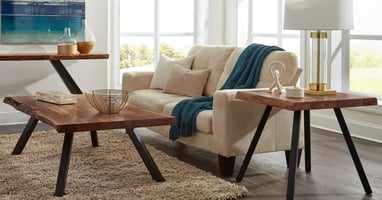
The living room is particularly well-suited to showcasing the serene atmosphere of Japanese interior design. A few well-proportioned pieces of furniture, natural finishes, and a subdued color scheme form the foundation.
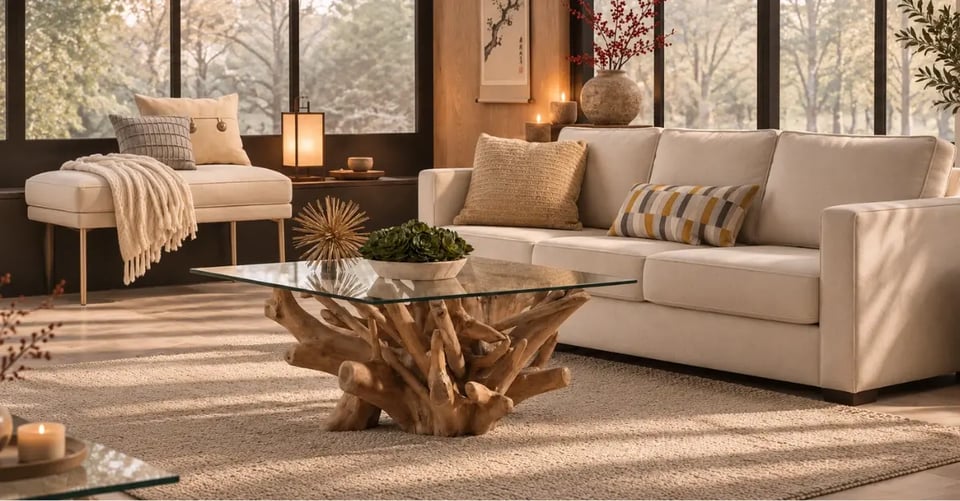
The One coffee table, made of solid teak with a glass top as its standout feature, is the perfect eye-catcher in any living room.
Advantages of the One Coffee Table:
-
made of solid teak and a tempered glass top
-
all-natural product
- natural finish

Wabi-Sabi in the Bedroom
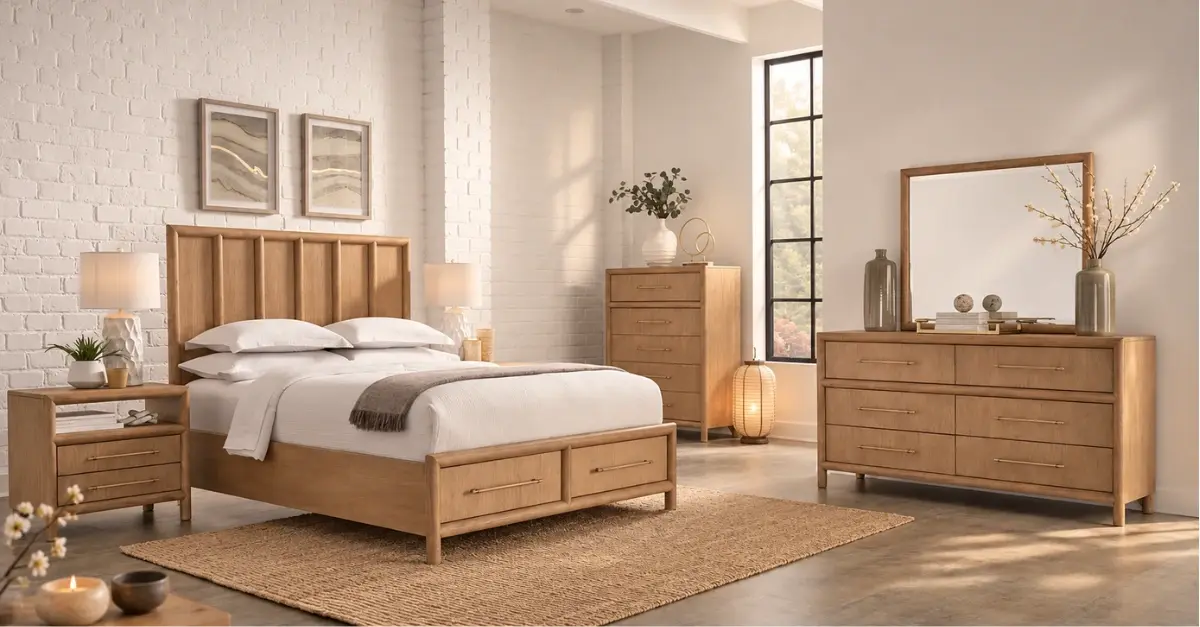
In the bedroom, the need for peace and relaxation takes center stage. The Japanese interior design style enhances this atmosphere through minimalist furnishings, soft colors, and natural materials.
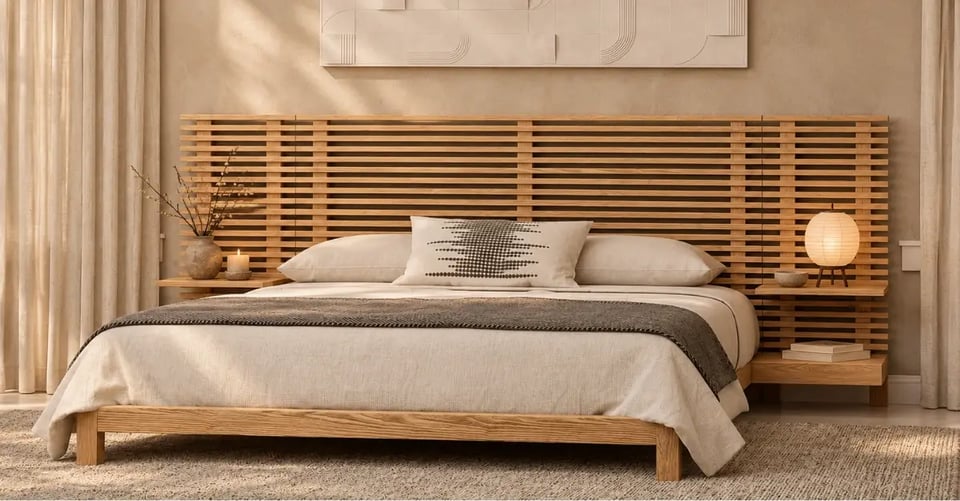
Our Tanner Bed brings peace and serenity to any bedroom, perfectly embodying the wabi-sabi trend.
Advantages of the Tanner Bed:
- built-in nightstands
- height-adjustable shelf
- made of solid ash

Wabi-Sabi in the Dining Room
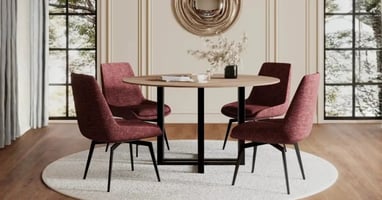
In the dining room, minimalist aesthetics blend with the idea of mindful togetherness. A spacious wooden dining table can become the focal point of the room. Complemented by comfortable chairs with clean lines, the result is an environment that is both practical for everyday use and elegant enough for entertaining.
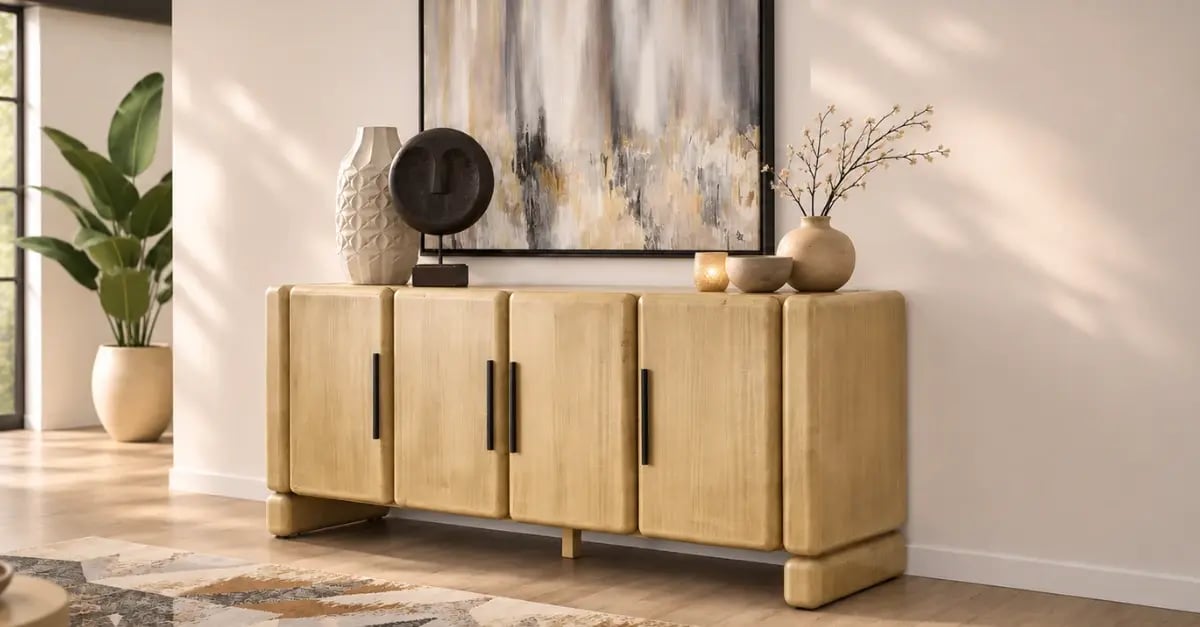
Our Nia Sideboard is a sleek, modern piece consisting of stacked, block-like shapes with generously rounded edges.
Advantages of the Nia Sideboard:
- made of solid acacia wood
- 6 adjustable shelves
- soft, warm look

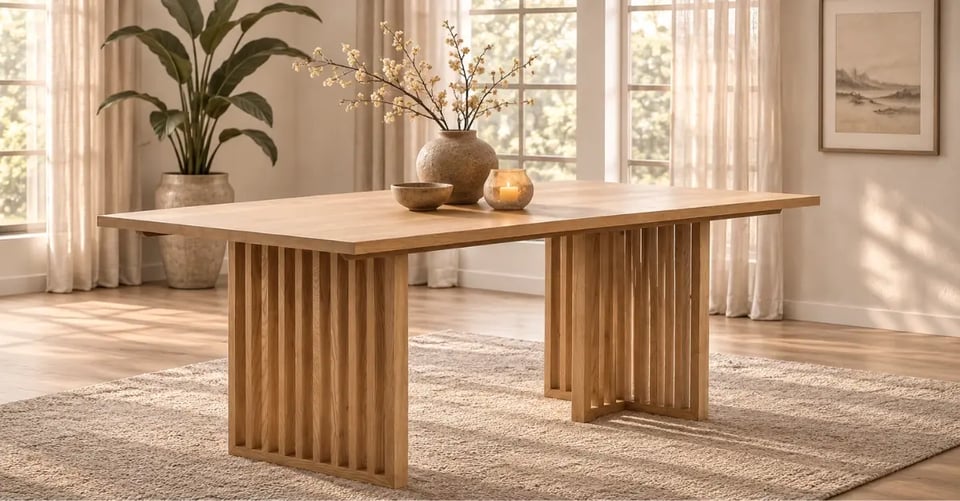
Our Tanner Dining Table embodies Japanese warmth and tranquility down to the smallest detail.
Advantages of the Tanner Dining Table:
-
natural, light finish
-
made of solid ash
-
calm, rhythmic appearance
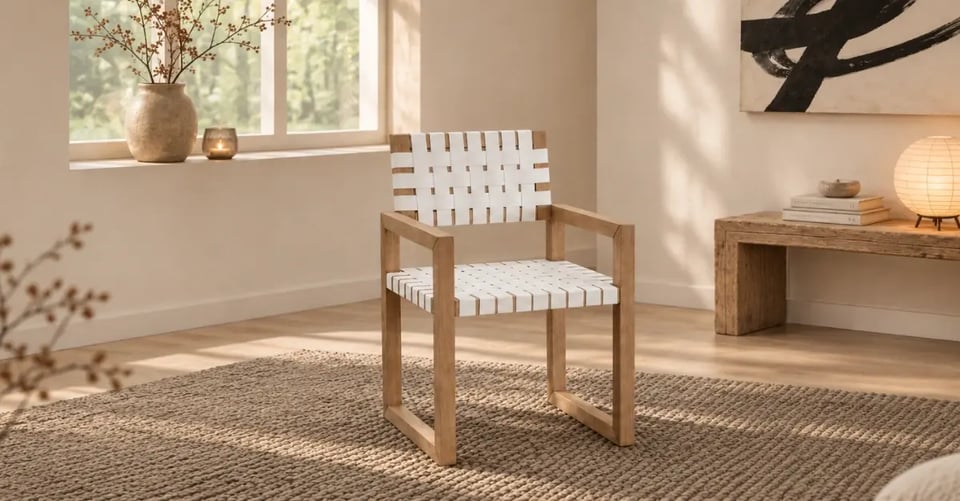
Our dining chairs from the One Collection reinterpret a modern, clean look in their own unique way. They make the perfect eye-catcher in any dining room.
Advantages of the One Chair:
-
ergonomically shaped
-
made of faux leather and solid rubberwood
- continuous frame
A Modern Take on Japanese Interior Design
The Japanese interior design style does not have to be implemented as a strictly traditional concept. It really comes into its own in modern interiors, where natural materials and minimalist forms are combined with contemporary furniture design.
A related design style is Japandi, which combines Japanese aesthetics with elements of Scandinavian design. While the Japanese influence is often characterized by minimalism, a connection to nature, and clean proportions, Scandinavian design adds brightness, coziness, and functional simplicity.
Wabi-sabi can be understood as a design philosophy that is not limited to a specific style of furniture. Even modern upholstered furniture, minimalist lighting fixtures, or clean-lined tables can be part of such a concept, provided that the materials, proportions, and color scheme are chosen harmoniously.
5 Tips for a Successful Wabi-Sabi Interior Design
1. A few pieces of furniture with strong character
Instead of combining as many elements as possible, each piece of furniture should have a clear function and a logical place in the room.
2. Consciously combine natural materials
Wood, stone, ceramics, and textiles are particularly effective when used in combination. A consistent palette of materials enhances the sense of visual calm.
3. Subdued color palette
Neutral colors create a harmonious foundation. A limited color palette makes it easier to coordinate furniture, walls, flooring, and accessories.
4. Consciously Plan for Free Space
Less furniture does not automatically mean less functionality. The key is well-thought-out space planning that takes into account circulation areas, sightlines, and usage requirements. Open spaces give selected pieces of furniture room to stand out and contribute to the calm overall atmosphere.
5. Combining Aesthetics with Practicality for Everyday Use
A successful interior design concept must not only look good, but also prove its worth in everyday use.
Conclusion: Japanese Aesthetics – A Balance of Serenity, Naturalness, and Timeless Design
The Japanese interior design style demonstrates how minimalism, natural materials, and thoughtful design can create a unique atmosphere in a space. Wabi-Sabi complements this approach by emphasizing an appreciation for imperfection and the unique characteristics of materials. The result is interiors that captivate not through decorative excess, but through authenticity, balance, and a clean, minimalist aesthetic.
Whether it’s a living room, bedroom, dining area, or professionally designed commercial space: what matters most is the interplay of furniture, colors, textures, and open spaces. High-quality materials, well-thought-out proportions, and functional solutions lay the foundation for design concepts that transcend short-term trends.
For modern interior design concepts, the combination of Japanese aesthetics and contemporary furniture design opens up a wide range of possibilities.