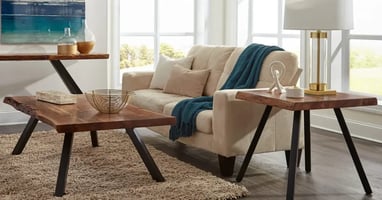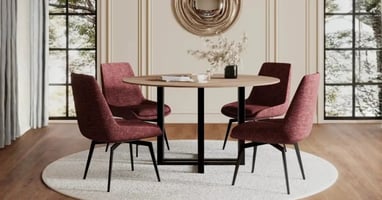
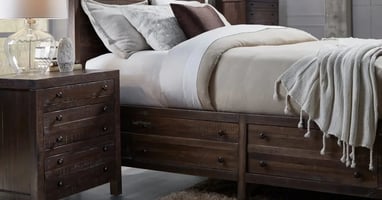
Industrial furniture represents an interior design style that blends the past with the modern....
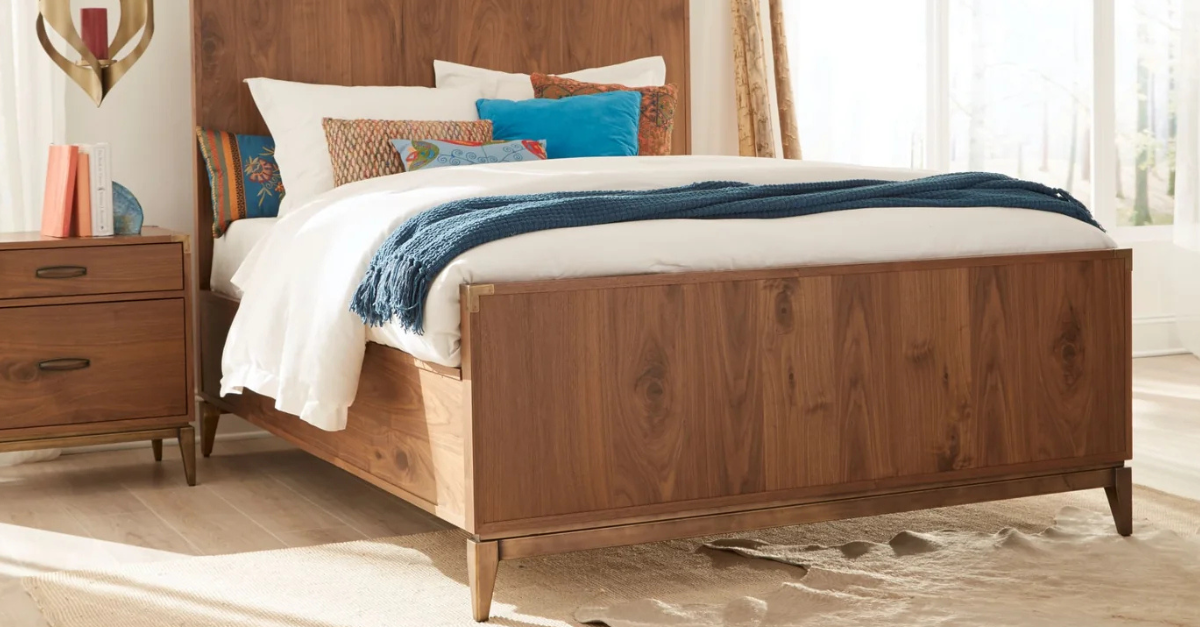
Interior design trends come and go. The Mid-Century Modern style is here to stay. That’s exactly what makes it so popular. The look is minimalist, warm, and design-oriented, without being cold. At the same time, it fits surprisingly well into today’s homes because it combines function and aesthetics.
It’s no coincidence that this style is making such a strong comeback today. Many people aren’t just looking for new furniture – they’re seeking spaces that offer tranquility, quality, and substance. That’s exactly where this style comes in. In this guide, you’ll learn what defines the Mid-Century Modern style, which pieces of furniture are typical of it, which colors and materials work well, and how to create a cohesive look.
What is Mid-Century Modern Style?
The Mid-Century Modern style emerged roughly between the 1940s and 1960s. It was shaped by an era in which living spaces were conceived as more modern, open, and suited to everyday life. Instead of heavy ornamentation, clean lines, new materials, and practical functionality took center stage.
Mid-Century Modern is characterized by sleek silhouettes, organic lines, and a deliberately minimalist look. Good Mid-Century Modern design should not only be beautiful but also practical for everyday use. It is precisely this combination of function and aesthetics that makes the style timeless to this day. It has a strong character without being overloaded.
The Key Features of the Mid-Century Modern Style
Clean Lines
Furniture in the Mid-Century Modern style usually has a clean, linear basic form. Nothing is left to chance, yet nothing appears stiff. It is precisely this clarity that makes rooms look tidy and high-quality.
Organic Shapes
Clean lines are complemented by soft curves. Oval tabletops, gently curved armrests, and rounded edges soften the style’s austerity. The result is a look that feels both modern and cozy.
High-quality materials
Solid wood, veneer, leather, glass, or metal are not mere details, but integral to the overall effect. The materials should be visible and exude quality. Surfaces may have character.
Warm colors
This style isn't defined by sterile white, but by warmth. Wood, muted tones, and carefully chosen accent colors create depth and balance.
Functional Furniture
A sideboard looks great while also providing storage space. A dining table looks elegant but remains practical for everyday use. It is precisely this combination of design and functionality that is characteristic of the style.
What kinds of furniture are associated with the Mid-Century Modern style?
Certain pieces of furniture have a particularly strong impact on the overall look:
Sideboards
Hardly any piece of furniture epitomizes style quite like the sideboard. Its sleek proportions, wooden fronts, and delicate legs make it a classic statement piece in the living or dining area.
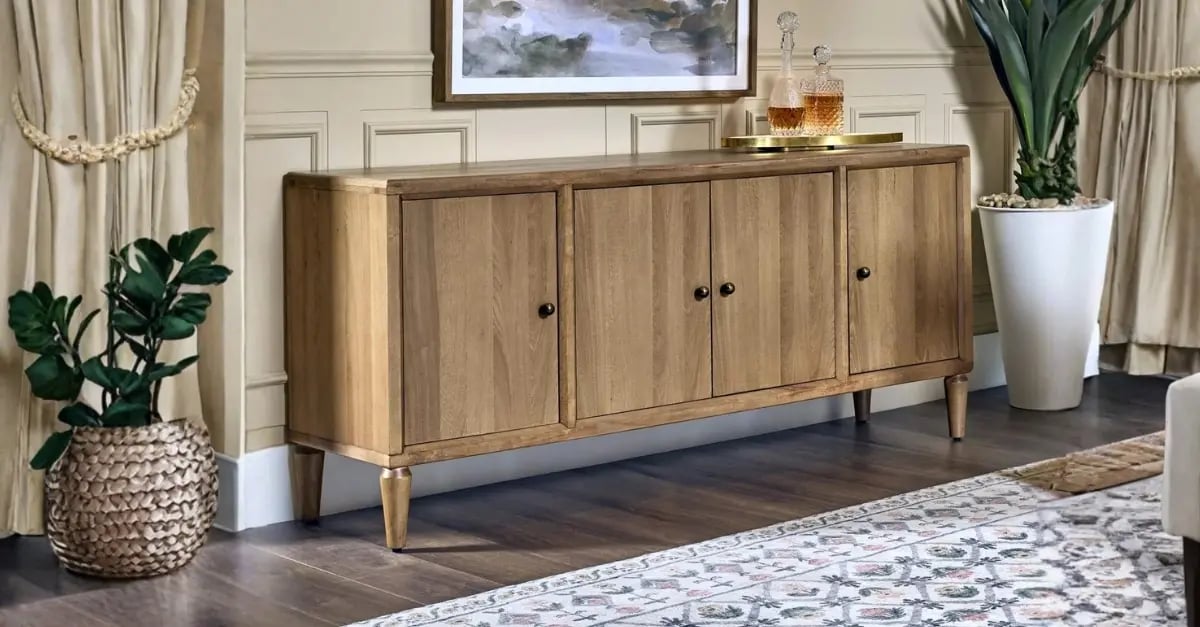
Our Langley sideboard combines timeless design with functional storage space.
Advantages of the Langley Sideboard:
- Versatile
- High-quality materials
- Ample storage space

Console Tables
A mid-century console table is characterized by clean lines, balanced proportions, and distinctive materials. In addition to classic wood finishes, concrete and metal can also add a modern twist.
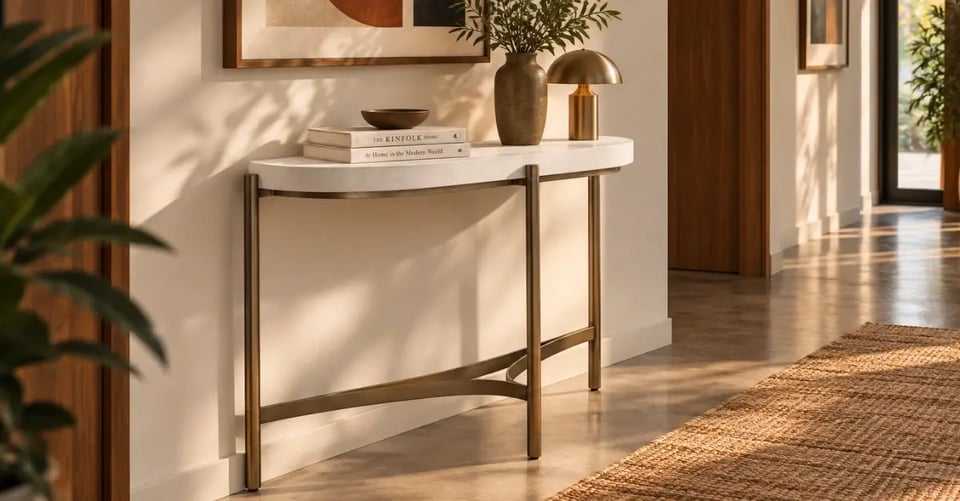
Our Lyon console table combines mid-century aesthetics with a modern mix of materials—concrete and metal.
Advantages of the Lyon console table:
- Semicircular shape
- Hand-cast concrete top
- Distinct metal frame

Coffee Tables
Coffee tables reflect this design language on a smaller scale: clean lines, delicate frames, and high-quality finishes. 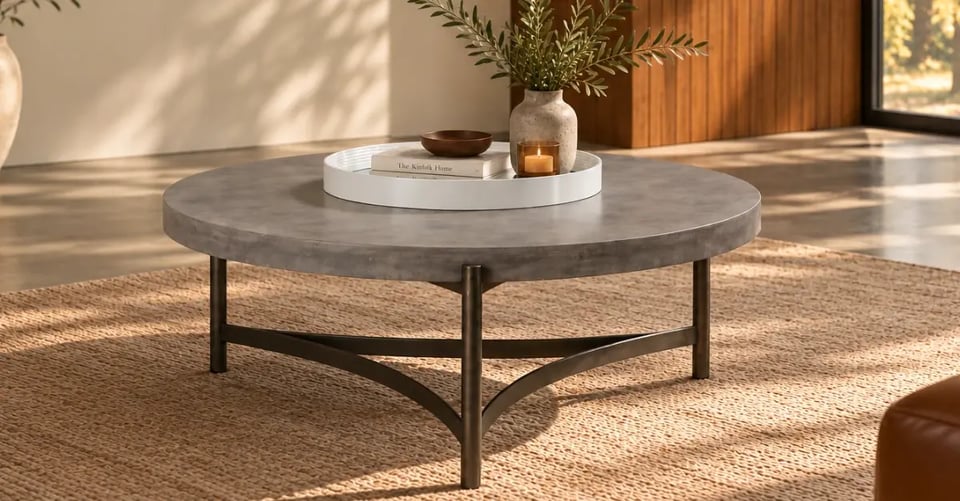
Our Lyon coffee table combines mid-century design with a modern, industrial look.
Advantages of the Lyon coffee table:
- Unique combination of concrete and metal
- Distinctive three-legged base
- Round shape for a modern look
The Perfect Mid-Century Modern Bed
Our Olivia Bed combines timeless mid-century design with a soft, modern aesthetic. Clean lines, balanced proportions, and an elegant, understated silhouette define its distinctive look.
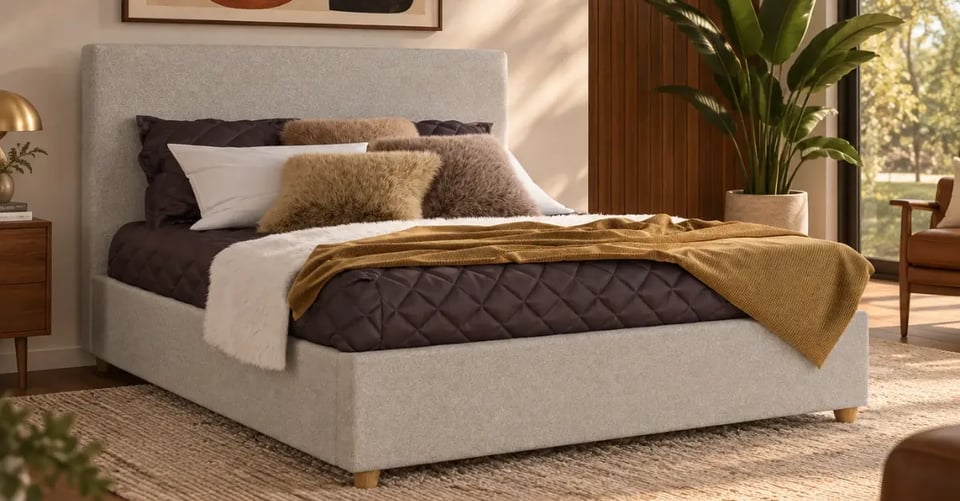
Advantages of the Olivia Bed:
- Timeless mid-century design
- Soft, elegant aesthetic
- Balanced proportions

In the bedroom, the Olivia Bed creates a calm focal point that pairs effortlessly with a variety of interiors. Its clean design feels modern while retaining the distinctive character of mid-century style. The result is a timeless balance of comfort and design.
What colors go well with the Mid-Century Modern style?
The color palette of this style is warm, earthy, and deliberately accentuated. The following work particularly well:
-
Earth tones for a sense of calm and naturalness
-
Mustard yellow for a classic retro accent
-
Dark green for depth and elegance
-
Dark blue for added contrast
-
Black and white as clear contrasts
-
Wood tones as a unifying element
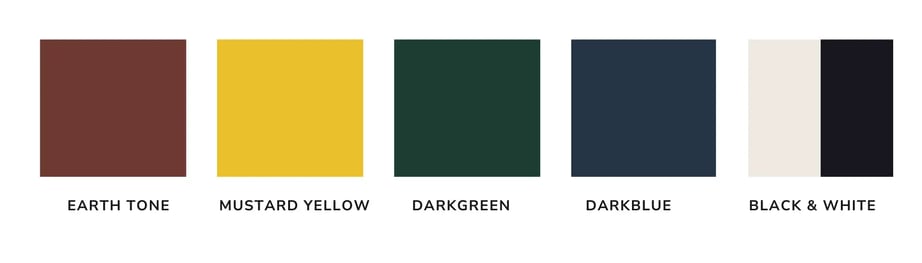
It’s not so much the number of colors that matters as how well they’re coordinated. The style thrives on the deliberate use of accents while still keeping the room calm.
What are the typical materials used?
Without the right materials, the look quickly loses its impact. Particularly typical choices include:
- Walnut for depth and warmth
- Teak for that classic mid-century look
- Oak for a slightly more subdued, modern interpretation
- Leather for character and texture
- Brass for subtle accents
- Glass for a sense of lightness
- Marble as a high-quality contrast
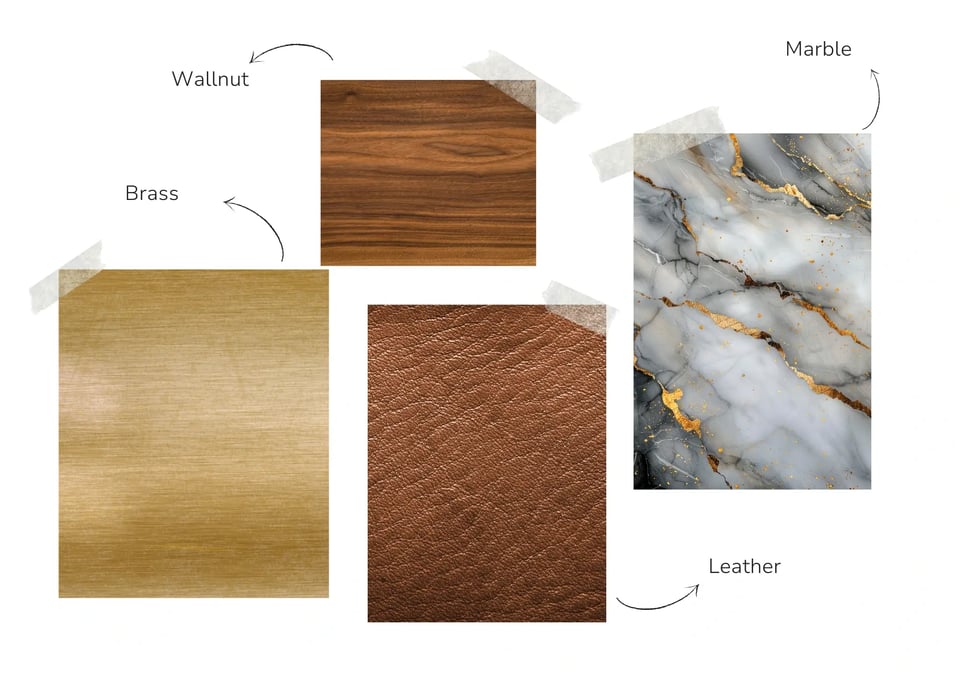
With this style in particular, quality is often evident in the details: in the wood grain, in clean edges, and in well-proportioned joints between wood, metal, and surfaces.
Combining Mid-Century Modern with Other Interior Design Styles
Combining Mid-Century Modern with Other Interior Design Styles: The Mid-Century Modern style pairs well with other styles, as long as the overall aesthetic remains understated.
With Scandinavian design, it works well with light woods and clean lines. With Japandi, it’s all about clarity, naturalness, and thoughtfully placed furniture. Minimalist spaces gain more warmth with Mid-Century pieces. Even industrial elements can work if wood and metal are balanced cleanly.
The most common mistake: incorporating too many stylistic references at once. It’s better to select a few statement pieces and keep the rest deliberately understated.
Why the Mid-Century Modern Style Is Timeless
This style doesn’t rely on short-term trends. It works because it’s based on good proportions, durable materials, and practical use. That’s exactly why it still looks sophisticated rather than dated today.
Those who invest in high-quality, clean-lined furniture aren’t furnishing their homes for just one season, but for many years to come. This is exactly where a provider like Modus Furniture fits into the picture: timeless forms, high-quality materials, and furniture that brings design and everyday life together.
Conclusion
The Mid-Century Modern style is more than just a trend. It stands for clean lines, organic shapes, warm materials, and furniture that looks beautiful while also being practical. If you want to design spaces that feel calm, high-quality, and harmonious over the long term, this style is an excellent choice.
It’s not about recreating every detail with historical accuracy. What matters is the philosophy behind it: quality over clutter, function over decoration, and timeless design over short-term appeal. Discover Modus Furniture’s Mid-Century collection and bring this look to life in your home.
Frequently Asked Questions: